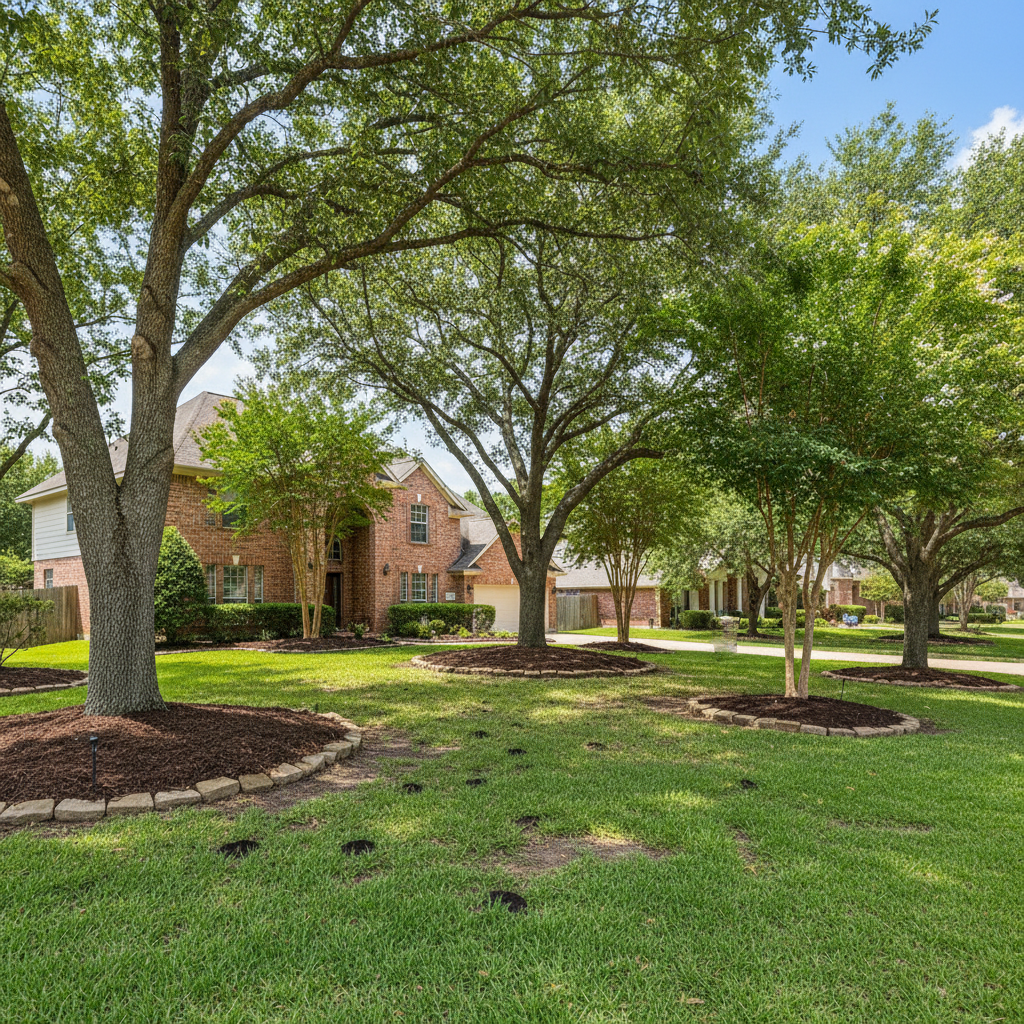
Look, I've been in the tree business around Porter for a long time. I've seen beautiful trees thrive, and I've seen some get absolutely butchered or neglected to death. More often than not, the problems start because folks make some pretty common mistakes trying to do the right thing for their trees.
Mistake #1: Always Going with the Lowest Bid
I get it, money doesn't grow on trees (pun intended, of course). Everyone wants a good deal. But when it comes to tree care, the cheapest option can often turn out to be the most expensive in the long run. I'm talking about guys with just a chainsaw, a beat-up truck, and no insurance. They'll give you a rock-bottom price, do a terrible job, maybe even damage your property, and then just disappear. You're left with a messed-up tree, a hole in your roof, and no recourse whatsoever. A legitimate company, like Charis Tree Solutions, carries insurance for a reason. It protects both you and them. Always ask for proof of insurance and workers' comp. If they hem and haw about it, that's a massive red flag. A real pro knows their worth and charges accordingly for quality work.
Mistake #2: Not Really Understanding What Your Trees Need
A lot of folks call me up and say, "My tree looks sick, can you prune it?" or "It's getting too big, can you top it?" Hold on a minute. Pruning isn't always the answer, and topping a tree is almost always a terrible idea. Topping, for those who don't know, means cutting off the main branches and stems right down to stubs. It really stresses the tree, makes it susceptible to disease and pests, and often leads to weak, rapid growth that's even more dangerous down the line. It's like giving your tree a really bad haircut that also gives it cancer. What your tree might actually need is a deep root fertilization, pest treatment, or selective thinning, not just a hack job. A good arborist will diagnose the problem and explain the proper solution, instead of just agreeing to whatever you suggest.
Mistake #3: Ignoring the Signs of Trouble Until It's Too Late
I drive through neighborhoods like Northpark and see trees that have been struggling for years, and homeowners just don't notice until a branch falls on their car or their house. Don't wait for a crisis! Your trees are living things, and they give off signals when they're not doing well. Look for things like:
Leaves turning yellow or brown out of season.
Branches dying back or looking brittle.
Mushrooms or fungi growing on the trunk or at the base.
Cracks in the trunk or major limbs.
Sawdust or tiny holes, which could mean insect infestation.
Trees leaning suddenly or roots heaving out of the ground.
Especially with our heavy clay soil here in Porter, root issues can sneak up on you. If you see something that doesn't look right, call a professional for an assessment. Catching things early can save your tree, and often, save you a lot of money compared to a full removal or emergency service.
Mistake #4: Not Asking for References or Checking Reviews
In this day and age, there's really no excuse for not doing a little homework. Before you hire anyone to work on your trees, ask for references. Call those people! Ask about their experience, if the crew was professional, if they cleaned up properly, and if the work was done on time and within budget. Check online reviews on Google, Yelp, or even local community groups. If a company has a lot of negative reviews, or worse, no online presence at all, that should definitely make you think twice. A reputable company will have a track record they're proud to share, you know?
Mistake #5: Neglecting Follow-Up Care
Tree care isn't usually a one-and-done deal. Just like you wouldn't get a check-up and then ignore your health for five years, your trees often need ongoing attention. If you've had a tree treated for a pest, or fertilized, or pruned, ask your arborist about a maintenance schedule. Some trees, especially younger ones or those recovering from stress, benefit from regular check-ups. Our crazy Texas weather, with its droughts and sudden freezes, can really take a toll on trees. A little preventative care goes a long way in keeping them healthy and strong, and looking great in your yard for years to come.
So, next time you're thinking about your trees, take a minute to really consider what they need and who you're trusting to do the work. Your trees, and your wallet, will thank you.