Before You Start: Knowing Your Trees and Your Limits
Look, we all want a beautiful yard, right? And healthy trees are a huge part of that. But before you grab a saw or a bag of fertilizer, you really need to know what you're dealing with. Not all trees are the same; what works for a Live Oak might actually stress out a Pine. Here in Porter, we've got a real mix of native trees and some that folks have planted over the years. Understanding your specific trees – what they are, what they need, and what they're trying to tell you – that's step one.
You also need to be honest about your limits. There's a lot you can do yourself, and I'll get into that. But there are also things that are just plain dangerous or require specialized equipment and knowledge. Don't try to be a hero with a chainsaw if you're not experienced. It's just not worth a trip to the ER, or worse.
During the Process: DIY Care vs. Calling a Pro
Alright, let's talk about what you can realistically tackle. A lot of basic tree care falls squarely into the DIY category, and it's stuff you really should be doing regularly to keep your trees happy.
- Watering: This is crucial, especially when trees are young or during our hot, dry Porter summers. Deep, infrequent watering is usually better than shallow, daily sprinkles. Here's a trick: stick a screwdriver into the ground. If it's hard to push in, your tree definitely needs a drink.
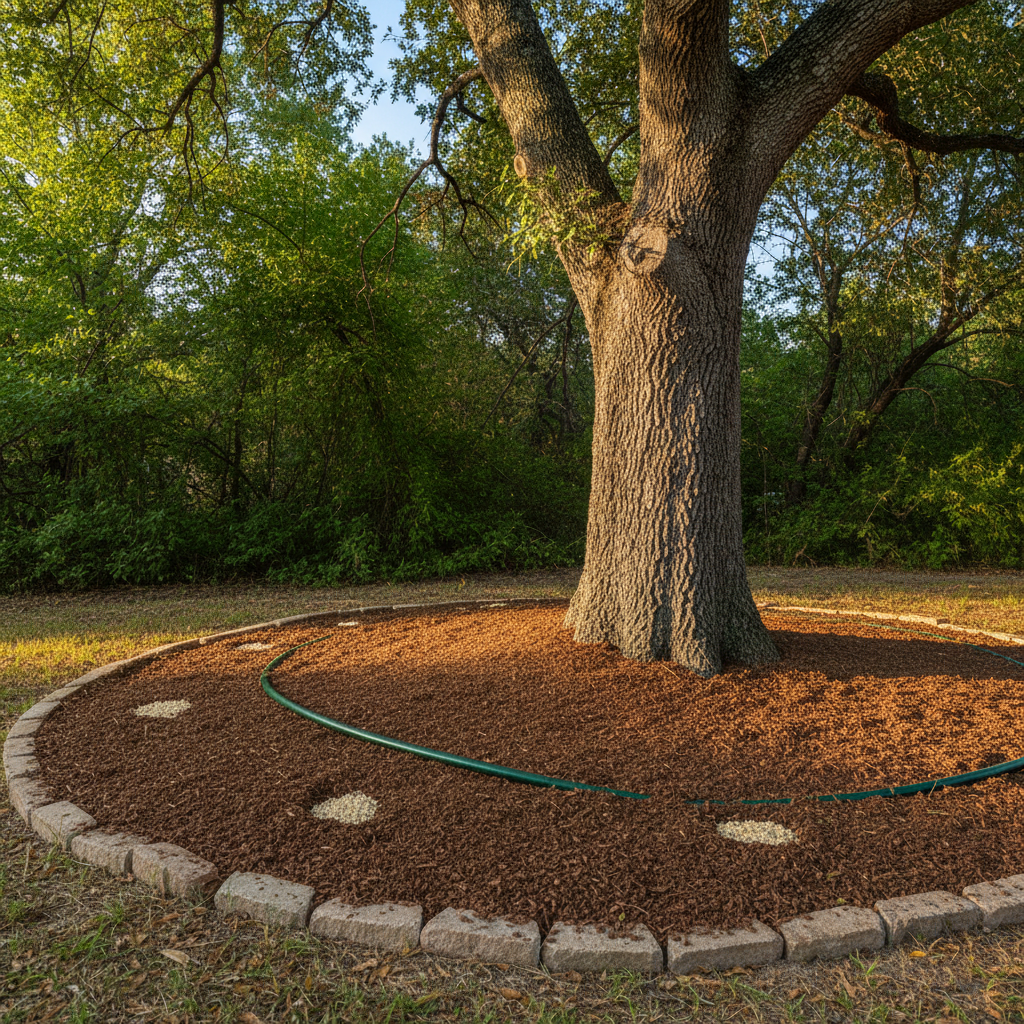
- Mulching: This is a big one, truly. A good 2-4 inch layer of organic mulch (like wood chips) around the base of your tree – but not touching the trunk – does wonders. It holds moisture, regulates soil temperature, and keeps weeds down. Just remember the 'donut, not a volcano' rule; don't pile it up against the trunk itself.
- Basic Pruning: You can absolutely handle small, dead, or diseased branches that are easy to reach from the ground with hand pruners or a pole saw. Look for branches that are rubbing together, crossing, or just clearly not alive. Make sure your cuts are clean and outside the branch collar.
- Pest & Disease Monitoring: Walk around your trees regularly. Look for discolored leaves, strange growths, sawdust, or holes. Catching issues early can make a huge difference. Sometimes a simple insecticidal soap or horticultural oil can take care of a minor infestation, you know?
Now, when do you call someone like me at Charis Tree Solutions? When the job gets bigger, higher, or more complicated. Here's when to pick up the phone:
- Large Branch Removal: If a branch is thicker than your wrist, high up, or hanging over your house or power lines, that's a job for a pro. We've got the gear and the training to do it safely.
- Major Pruning or Shaping: If your tree needs significant structural pruning, canopy reduction, or shaping to improve its health or appearance, an arborist knows exactly how to make the right cuts without harming the tree's long-term health.
- Tree Removal: This is a no-brainer. Unless it's a tiny sapling, tree removal is dangerous and requires specialized equipment.
- Advanced Pest & Disease Issues: If you've got a widespread infestation, a fungal issue you can't identify, or a tree that's rapidly declining, an arborist can diagnose the problem and recommend targeted treatments that you just can't get at the hardware store.
- Storm Damage: After a big storm, especially with the heavy clay soils we have around here that can make trees unstable, please don't try to clear large, fallen limbs yourself. There's often tension in the wood that can cause it to snap back dangerously.
- Planting Large Trees: Getting a big tree in the ground correctly, with proper root ball preparation and staking, can make all the difference in its survival.
After the Work: Continued Care and Observation
Whether you've done some DIY pruning or we've just finished a big job, the care doesn't stop there. Think of it like a recovery period for your tree.
- Keep an Eye Out: After any work, especially pruning, watch for signs of stress or new issues. Are the leaves wilting? Is there sap weeping excessively?
- Consistent Watering: This is always important, but even more so after any significant work. A stressed tree needs good hydration to recover, plain and simple.
- Don't Over-Fertilize: Unless a soil test specifically indicates a deficiency, don't just dump fertilizer on your trees. Too much can burn roots or encourage weak growth. If you do fertilize, use a slow-release product designed for trees.
- Clean Up: Keep the area around the tree clean. Remove fallen leaves, weeds, and debris that could harbor pests or diseases.
- Regular Check-ups: Just like you go to the doctor, your trees benefit from regular check-ups. A quick walk around your yard once a month can help you spot problems before they become major headaches.
Taking care of your trees is an investment in your property and the environment. Do what you can safely and effectively, and don't hesitate to call in the pros when you need to. We're here to help your Porter trees thrive.