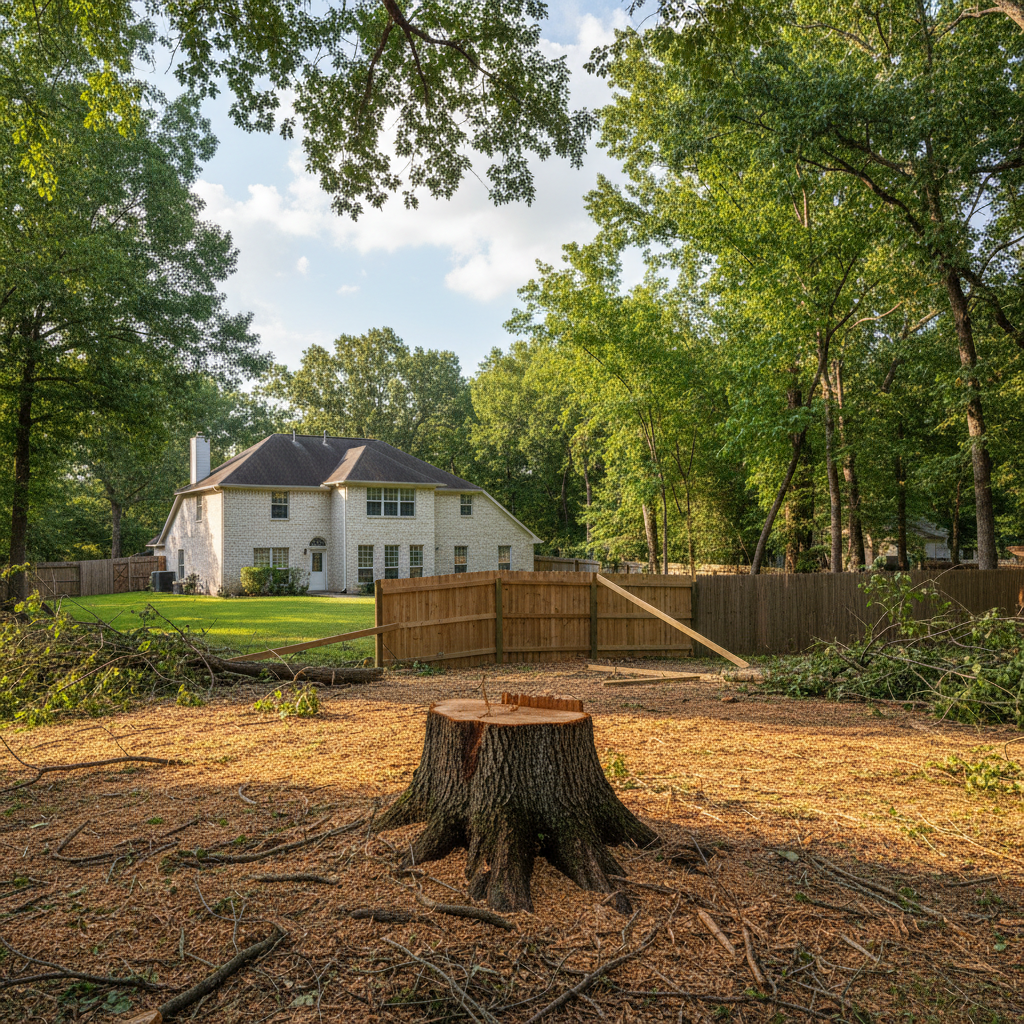
Alright, let's talk about something nobody really wants to think about until it's too late: emergency tree removal. Down here in Porter, especially with our wild weather swings, it's not a matter of if you'll deal with a tree issue, but when. You've got to be proactive, or you'll be calling me at 3 AM during a tropical storm. And trust me, that's not when you want to be making big decisions.
When to Schedule Emergency Tree Removal (Before It's an Emergency)
The best emergency tree removal is the one you schedule before it becomes an emergency. I know, sounds like a riddle, but it's totally true. If you've got a tree that's leaning, has big dead branches, or just looks generally unhealthy, don't wait for a hurricane to knock it down onto your roof. Get it assessed. We see it all the time – folks will look at a tree for months, knowing it's a problem, but they put off calling until a strong gust of wind takes it out. That's when it goes from a planned, manageable cost to a frantic, expensive scramble.
The ideal time to get these risky trees looked at is during the drier, milder parts of the year. Think late fall, winter, or early spring. The ground's usually firmer, there's less foliage, and my crews aren't already swamped with storm damage calls. Plus, you'll likely have more flexibility in scheduling and potentially even better pricing because it's not an urgent, high-demand situation.
How Porter's Weather Messes with Tree Work
Our local weather here in Porter, Texas, is a huge factor in tree work, especially when it comes to emergencies. You know how it is: one minute it's sunny and 90 degrees, the next we've got a pop-up thunderstorm with straight-line winds that can snap a healthy oak like a twig. Then there's hurricane season, which runs from June to November. That's when things get really dicey.
Heavy rain makes the ground soft, which means big equipment like cranes and bucket trucks can sink, tear up your yard, or even get stuck. It also makes climbing incredibly dangerous. High winds? Forget about it. We can't safely operate chainsaws or lift heavy limbs when the wind is whipping around. Lightning is another obvious no-go. So, if you're calling during a storm, understand that safety comes first. We can't always get to you immediately, and sometimes we have to wait for the weather to break. That's why getting ahead of the problem is so crucial. A tree that's already down and not actively threatening anyone might have to wait until conditions are safe for my crew to work.
Even our soil, particularly the clay-heavy stuff common in areas like Oakhurst, can contribute to problems. When it gets saturated, trees with shallow root systems can become unstable, making them more prone to toppling in high winds.
Protecting Your Investment Year-Round
Your home and property are huge investments, and your trees are a big part of that. Here's how you can protect them, and by extension, your home, all year long:
- Regular Inspections: Walk around your property after every major storm. Look for new cracks in trunks, hanging limbs, or trees that suddenly look like they're leaning more than before.
- Prune for Health: Get your trees pruned regularly by a professional. Removing dead or weak branches reduces the amount of material that can break off in a storm. It also improves the tree's overall health, making it more resilient.
- Keep an Eye on Roots: If you see roots lifting or soil cracking around the base of a tree, especially a large one, that's a red flag. It could mean the tree is losing its anchorage.
- Don't Plant Too Close: When you're planting new trees, think about their mature size. Don't put a huge oak right next to your house. Give it room to grow without becoming a future hazard.
- Call a Pro: If you have any doubts, call Charis Tree Solutions. We can do a full assessment and tell you if a tree is a risk. It's always better to get an expert opinion than to guess, right?
Being prepared and proactive is your best defense against unexpected tree emergencies. A little planning now can save you a lot of headache and money down the road.