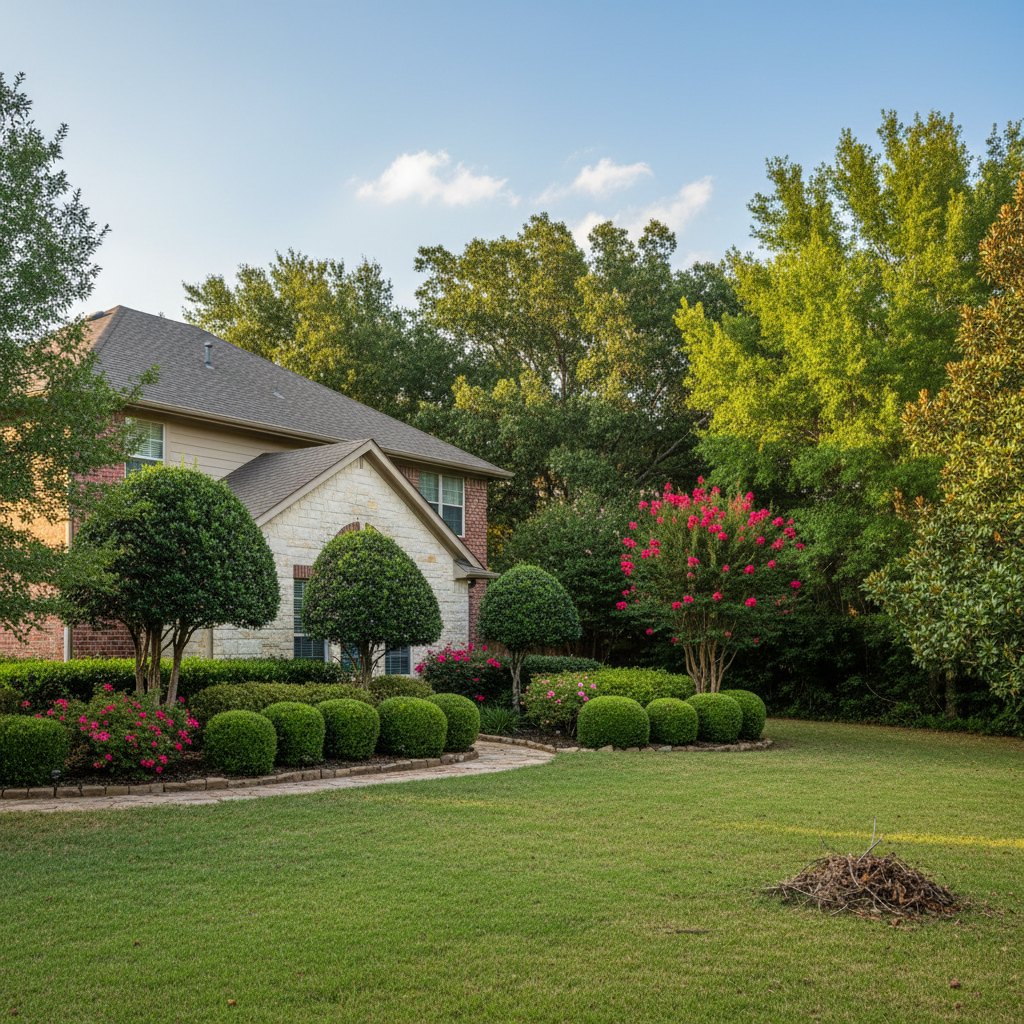
You've got shrubs and bushes, and you know they need trimming. But when's the best time here in Porter, TX? It's not as simple as 'whenever they look shaggy,' is it? Our climate, with its hot, humid summers and mild winters, means you've got to be smart about when you grab those trimmers. Or, you know, when you call someone like us to do it.
Timing Your Trims: It's All About the Seasons
For most of your ornamental shrubs and bushes, the best time to trim usually falls in late winter or early spring. That's right before new growth really kicks in—think February or early March. Why then? Well, the plants are dormant, or pretty close to it. They aren't actively putting a lot of energy into growing leaves or flowers, so a trim doesn't stress them out as much. Plus, you can see the plant's structure a lot better without all the leaves in the way.
Now, if you've got spring-flowering shrubs – things like azaleas, hydrangeas (some varieties, anyway), or even certain camellias – you absolutely do not want to trim them in late winter. If you do, you're cutting off all the flower buds that formed last year. You'll end up with a nice, neatly trimmed bush, but no blooms. For these guys, you want to wait until right after they've finished flowering. That gives them plenty of time to set new buds for next year's show, which is what we want!
Summer trimming? I usually tell folks to be careful with heavy pruning in the summer. Our Porter summers are brutal, plain and simple. Cutting back a lot of foliage when it's 95 degrees and humid can really stress a plant. It can expose tender inner branches to scorching sun, and the plant has to work extra hard to recover when it's already fighting the heat. Light shaping or just removing dead branches is fine, but save the major haircuts for cooler weather.
Weather Matters More Than You Think
You might think, 'It's just trimming, what does the weather matter?' A lot, actually. Here's what I look for:
- Avoid Wet Weather: Don't trim when it's raining or when the foliage is soaking wet. Wet conditions can spread fungal diseases from one plant to another, especially if you're using the same tools. Let things dry out first.
- Watch the Forecast: If you're doing a significant trim, especially in late fall, check the forecast. A sudden, unexpected hard freeze right after a heavy trim can damage new, tender growth that hasn't had a chance to harden off. We don't get super harsh winters every year, but those cold snaps can sneak up on you.
- Extreme Heat: Like I said, heavy trimming in the peak of summer heat is a no-go. It's just too much stress on the plant.
When Charis Tree Solutions comes out, we're always taking these things into account. We're not just hacking away; we're thinking about the health of your plants.
Protecting Your Investment Year-Round
Your shrubs and bushes aren't just pretty; they're an investment in your home's curb appeal and even its value. Here's how to keep 'em healthy:
- Know Your Plants: This is huge. Understand what kind of shrubs you have. Are they evergreen? Deciduous? Do they flower on old wood or new wood? A little research goes a long way, trust me.
- Proper Tools: If you're doing it yourself, make sure your tools are sharp and clean. Dull blades tear branches, which makes them more susceptible to disease. Clean them with rubbing alcohol between plants, especially if you're working on something that looks a little sick.
- Water Wisely: Especially after a trim, and definitely during our dry spells, make sure your plants are getting enough water. Don't drown them, but deep, infrequent watering is better than frequent, shallow sprinkles. The sandy loam we have in areas like Forest Colony can dry out pretty quick, so keep an eye on it.
- Mulch: A good layer of mulch around the base of your shrubs does wonders. It helps retain moisture, regulates soil temperature, and keeps weeds down. Just don't pile it up against the trunk or stems; leave a little space.
- Don't Overdo It: Resist the urge to constantly trim. A little here and there for shaping is fine, but major pruning should be done thoughtfully and at the right time.
Taking care of your shrubs and bushes is just part of being a homeowner here in Porter. Do it right, and they'll reward you with beauty for years to come.