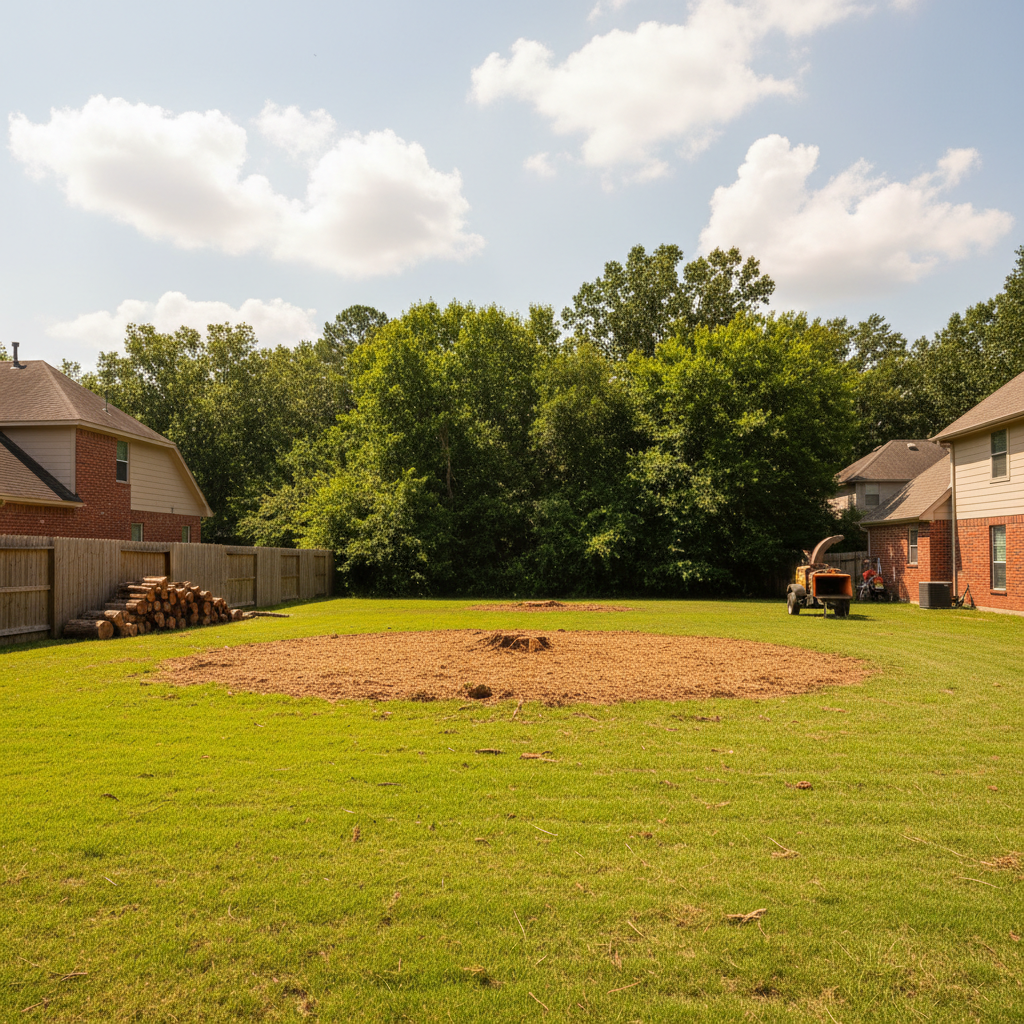
When's the Best Time for Tree Removal in Porter?
You're probably wondering, "When should I get that old oak taken down?" It's a fair question, and honestly, there isn't one 'perfect' time for every tree or every situation. But here in Porter, TX, our climate definitely plays a big role in what I recommend.
Generally, I tell folks the cooler, drier months are often easiest for tree removal. Think late fall, winter, and early spring. Why? A few reasons. First, deciduous trees — the ones that lose their leaves — are bare. That means less canopy to deal with, less mess, and often, a clearer view for my crew to work safely. It also means the ground is usually firmer. When we're bringing in heavy equipment, like a crane or a chipper, solid, dry ground makes a huge difference. You don't want us tearing up your yard more than necessary because the soil's too soft, right?
Another big factor is the heat. Working in 100-degree F Houston-area humidity is tough on my guys and our equipment. Cooler weather means we work more efficiently and safely, which often translates to a smoother, quicker job for you. Plus, if you're worried about disturbing your landscaping, many plants are dormant in winter. They're less likely to get stressed by nearby work then.
How Porter's Weather Messes with Our Plans
Our weather here in Porter, especially around areas like Oakhurst, can be pretty unpredictable. And it definitely affects tree removal. The biggest culprits are heavy rains and high winds.
Heavy rains turn our clay soils into a muddy mess. Trying to move heavy equipment on saturated ground is a recipe for disaster. It can damage your lawn, create ruts, and make the whole operation much riskier. We often have to reschedule jobs if there's been a significant downpour, especially if we're dealing with a large tree that requires big machinery. It's not just about convenience; it's about keeping my crew safe and protecting your property.
High winds are another major concern. If we're taking down a tall tree, especially one that's already compromised, strong gusts can make it incredibly dangerous. We rely on precise cuts and controlled felling. Wind can throw all that off, sending branches or even the whole tree in an unintended direction. We're not going to risk it, so if the wind advisory is up, we'll likely push the job back. It's always better to wait for a calm day than to rush a dangerous job, wouldn't you agree?
Protecting Your Tree Investment Year-Round
Even after a tree's gone, or if you're just looking to keep your existing trees healthy, year-round care is crucial. Think of your trees as long-term investments; they add value, shade, and beauty to your property. Here’s what you can do:
- Regular Pruning: This isn't just about making them look pretty. Proper pruning removes dead, diseased, or crossing branches. That improves the tree's health and reduces the risk of limbs falling during storms. I usually recommend pruning in late winter or early spring for most deciduous trees, but some, like oaks, have specific windows to avoid disease transmission.
- Watering: Even mature trees need water, especially during our hot, dry summers. Deep, infrequent watering works better than shallow, frequent watering. It encourages deeper root growth.
- Mulching: A good layer of mulch around the base of your trees (but not touching the trunk) helps hold moisture, regulate soil temperature, and keep weeds down.
- Inspections: Keep an eye on your trees. Look for unusual leaf discoloration, pests, fungal growth, or cracks in the trunk or branches. Catching problems early can save the tree and prevent a costly removal down the line. If you see something concerning, give Charis Tree Solutions a call. We can come out, take a look, and give you an honest assessment.
- Storm Prep: Before hurricane season kicks into high gear, have us check your trees for weak limbs or structural issues. Proactive trimming can prevent a lot of damage when those big storms roll through.
Taking care of your trees is an ongoing process. Understanding how our local Porter climate affects them, and when it's best to perform certain services like removal, helps you make smart decisions for your home and your landscape.