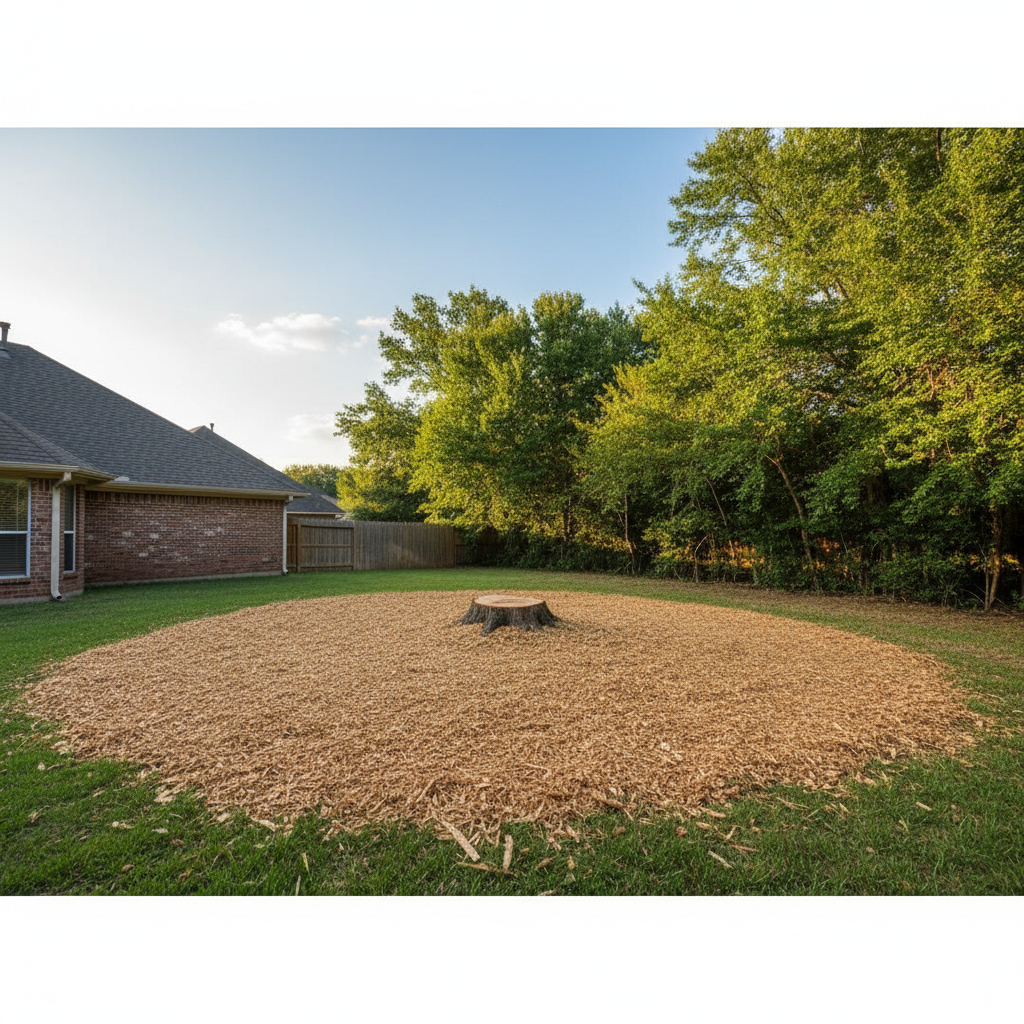
You've got a tree that needs to come down, or maybe you're just wondering about the best time for tree work in general. Here in Porter, TX, our climate isn't like up north where everything shuts down for winter. We've got our own set of challenges and ideal times for getting things done.
When it comes to tree removal, folks often ask me, "When's the best time to do it?" My answer usually starts with, "Well, what kind of tree is it, and why are you taking it down?" But generally speaking, there are definitely better times than others, and some conditions you absolutely want to avoid.
The Best Time for Tree Removal in Porter
For most routine tree removals – meaning it's not an emergency like a storm-damaged tree – I usually recommend late fall through early spring. Why then? A few reasons:
- Less Foliage: Deciduous trees (the ones that lose their leaves) are much easier to work with when they're bare. Less canopy means less debris to haul, and it's easier for my crew to see the tree's structure and plan the safest cuts. Ever tried to drag a huge, leafy oak branch through a yard? It's a nightmare compared to a bare one.
- Dormancy: Trees are less stressed when they're dormant. While we're talking removal here, if you're also doing pruning on other trees, dormancy is ideal for their health.
- Ground Conditions: This is a big one. Our Porter soil, especially in areas like Oakhurst or Riverwalk, can get pretty soft after heavy rains. Working on wet ground means more potential for ruts from equipment or damage to your lawn. Cooler, drier months often give us firmer ground to work on.
- Pest Activity: Fewer bugs and less sap flying around. Trust me, my crew appreciates not getting covered in sap and swarmed by mosquitoes.
That said, if a tree is dead, diseased, or poses an immediate hazard, it needs to come down whenever that problem arises. Don't wait for the "perfect" season if it's a danger to your home or family.
Weather Conditions That Affect Tree Work
You might think a little rain won't hurt, but certain weather conditions can make tree removal dangerous or even impossible. Here’s what we're always watching:
- High Winds: This is a non-starter. High winds make it incredibly risky to work in trees, especially when felling large sections. It's too unpredictable where branches will fall, and it's dangerous for our climbers. We'll reschedule, no question.
- Heavy Rain/Thunderstorms: Wet surfaces are slippery surfaces. This increases the risk of falls for our crew and can make operating heavy equipment like cranes or chippers unsafe. Lightning is an obvious no-go.
- Extreme Heat: While we work through our fair share of hot Texas days, extreme heat (think 100°F+) makes for incredibly tough and potentially dangerous working conditions. We'll take extra precautions, schedule earlier in the day, or sometimes, for larger jobs, suggest waiting for a cooler spell.
- Saturated Ground: As I mentioned, super wet ground means we might leave ruts in your yard, or even get equipment stuck. We'll often assess this before starting a job and might recommend waiting a few days for things to dry out.
We're always prioritizing safety, both for our crew and your property. If the weather's not cooperating, we'll communicate with you and reschedule as needed.
Protecting Your Tree Investment Year-Round
Even after a tree is removed, you've still got other trees on your property that need care. Thinking about your trees as an investment helps you keep them healthy and beautiful. Here's what you can do:
- Regular Pruning: Don't wait until a branch is scraping your roof or looks dead. Regular, professional pruning helps maintain tree health, structure, and reduces storm damage risk.
- Mulching: A good layer of mulch (not piled against the trunk!) helps retain moisture, regulate soil temperature, and suppresses weeds. It's like a spa treatment for their roots.
- Watering: Especially during our hot, dry summers, young trees and even mature ones can benefit from deep watering. Don't just sprinkle; really soak the root zone.
- Pest & Disease Monitoring: Keep an eye out for anything unusual – discolored leaves, strange growths, or insect activity. Catching problems early can save a tree. If you see something, call us at Charis Tree Solutions. We can diagnose and recommend treatment.
- Storm Prep: Before hurricane season really kicks in, get your trees inspected. Removing weak or overhanging limbs can prevent a lot of headaches and damage when the strong winds come through.
Taking care of your trees isn't a one-and-done deal. It's an ongoing process that pays off in the long run, keeping your property safe and looking great. If you've got questions about a specific tree or need advice, don't hesitate to reach out. We're here to help our Porter neighbors keep their landscapes thriving.