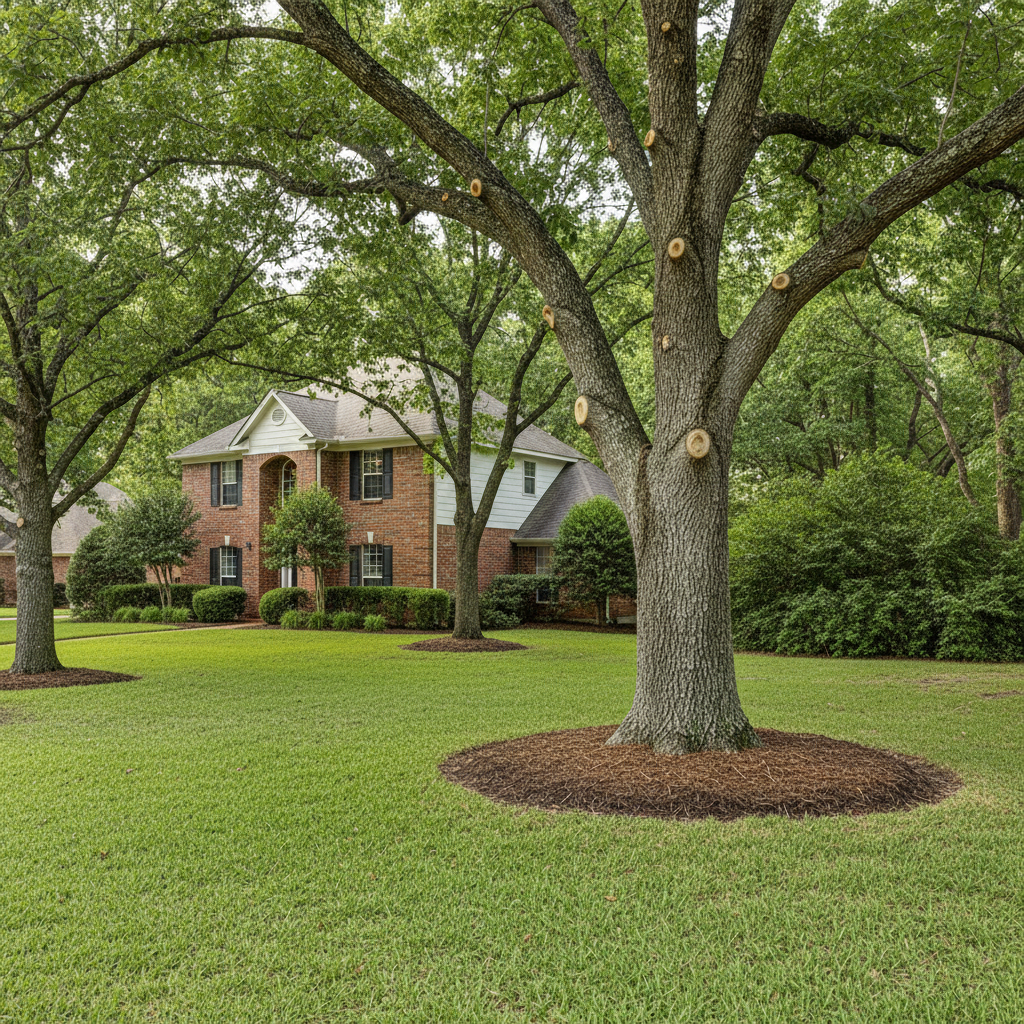
So, you just had your trees pruned. Maybe it was us at Charis Tree Solutions, maybe another local crew. Either way, good for you for looking after your property! But getting a good prune isn't something you can just 'set it and forget it,' especially not here in Porter. Our trees, bless their hearts, really go through it – from those scorching summers to the occasional ice storms that just mess everything up. You want that pruning work to last, right? And you want your trees to stay healthy and strong for years. Here's how you do it.
Making That Pruning Last: Extend the Life of the Work
The simplest way to make a good pruning job last longer is pretty straightforward: keep an eye on things and don't skip the basics. When we prune, we're making smart cuts to improve a tree's structure, its health, and sometimes just to clear some space. To keep those benefits going, you need to know what a healthy tree looks like.
- Water Wisely: Especially right after a fresh prune, and definitely during our long, dry spells, make sure your trees get enough water. Deep, infrequent watering works better than just sprinkling a little bit often. Think about the root zone, not just the trunk.
- Mulch Matters: A good layer of mulch – about 2-4 inches, kept away from the trunk – helps the soil hold moisture, keeps the soil temperature steady, and stops weeds from popping up. This means less stress on the tree, which helps it bounce back faster from pruning and generally stay healthier.
- Don't Be Too Quick to Fertilize: Unless a soil test actually shows your tree is missing something specific, don't just dump fertilizer on it. Too much can actually do more harm than good. If your tree looks stressed, call a pro to figure out the problem first.
- Protect the Trunk: Mowers and weed eaters are like silent assassins for tree trunks. Keep them far away! Wounds on the trunk are basically open invitations for pests and diseases, you know?
Think of it like getting your truck serviced. You don't just drive it until it breaks down again, do you? You check the oil, keep the tires aired up. Same deal with your trees.
Regular Maintenance: What You Can Do Between Prunes
You probably won't need a professional prune every single year, but there are definitely things you can do regularly to keep your trees in good shape:
- Look Up: No, really, just walk around your yard and look at your trees. Are there any dead branches? Are branches rubbing against each other? Is anything growing too close to your house or the power lines?
- Clear the Decks: If you spot small, dead twigs or branches (pencil-sized or smaller) that are easy to reach, you can snip them off yourself with hand pruners or loppers. Just be sure to make clean cuts and don't tear the bark.
- Keep an Eye on Growth: Sometimes a tree will send out a 'sucker' from its base or a 'water sprout' straight up from a branch. This is usually weak growth, and you can prune it off when it's small.
- Yard Cleanup: Keep the area around the tree's base clear of debris. It helps with air circulation and means fewer places for pests to hide.
Here in Porter, especially with our clay soils in spots like Oakhurst, good drainage and proper watering are super important. If water pools around the base of your trees after a rain, that's a problem you really need to fix.
Warning Signs: When Something's Not Right
Your trees will tell you when they're not happy. You just have to learn to listen. Here are some red flags:
- Dead or Dying Branches: A few dead twigs are normal, but large dead branches (especially if they pop up suddenly) are a big worry.
- Discolored or Wilting Leaves: Leaves that are yellowing, browning, or dropping too early (outside of fall) could mean disease, a pest problem, or not enough water.
- Fungus or Mushrooms: If you see fungi growing on the trunk or at the tree's base, that can be a sign of internal decay.
- Cracks or Splits: Any significant cracks in the trunk or major limbs point to serious structural issues.
- Leaning: If a tree starts leaning more than it used to, especially after a storm, its root system might be messed up.
- Pest Evidence: Sawdust-like frass, holes in the bark, or unusual insect activity can signal borers or other damaging pests.
- Cankers: These are sunken, discolored spots on the bark, often with sap oozing out. They mean disease.
Don't ignore these things. Catching a small problem early is usually easier and cheaper to fix than waiting for it to become a big one.
When to Call a Professional: Don't DIY Everything
Look, I'm all for homeowners doing what they can. But some jobs are just too big or too dangerous for the average person. Here's when you absolutely need to call in a pro like Charis Tree Solutions:
- Large Branch Removal: Anything that needs a ladder, a chainsaw, or is over your head is best left to us. Falling branches are no joke, and neither is falling off a ladder.
- Proximity to Structures or Wires: If branches are near your house, garage, fence, or especially power lines, don't even think about it. That's a job for trained, insured professionals.
- Signs of Disease or Pests: If you spot any of those warning signs I just mentioned, get an expert opinion. We can diagnose the problem and suggest the right treatment.
- Storm Damage: After one of our Texas thunderstorms, you might have broken or hanging branches. These are incredibly dangerous and need to be handled by someone with the right equipment and experience.
- Major Structural Pruning: If your tree needs significant shaping, thinning, or limb reduction, you want someone who understands tree biology and proper pruning techniques. Bad cuts can permanently damage a tree.
- Tree Health Assessment: If you're just not sure what's going on with your tree, or if you're planning a big landscaping project, a professional arborist can give you a full assessment.
Your trees are a big investment and a huge part of your property's value and curb appeal. Taking a little time for regular maintenance and knowing when to call in the cavalry will keep them thriving for years to come. Stay safe out there, Porter!